Quick summary: This guide explores the composable data mesh as a practical architecture for scaling analytics and AI. It details domain-centric data products, self-serve platforms, automated governance, and resilient design. Read the blog now and gain a clear view of how modular data stacks improve speed, reliability, and cost control by 2026 for leaders.
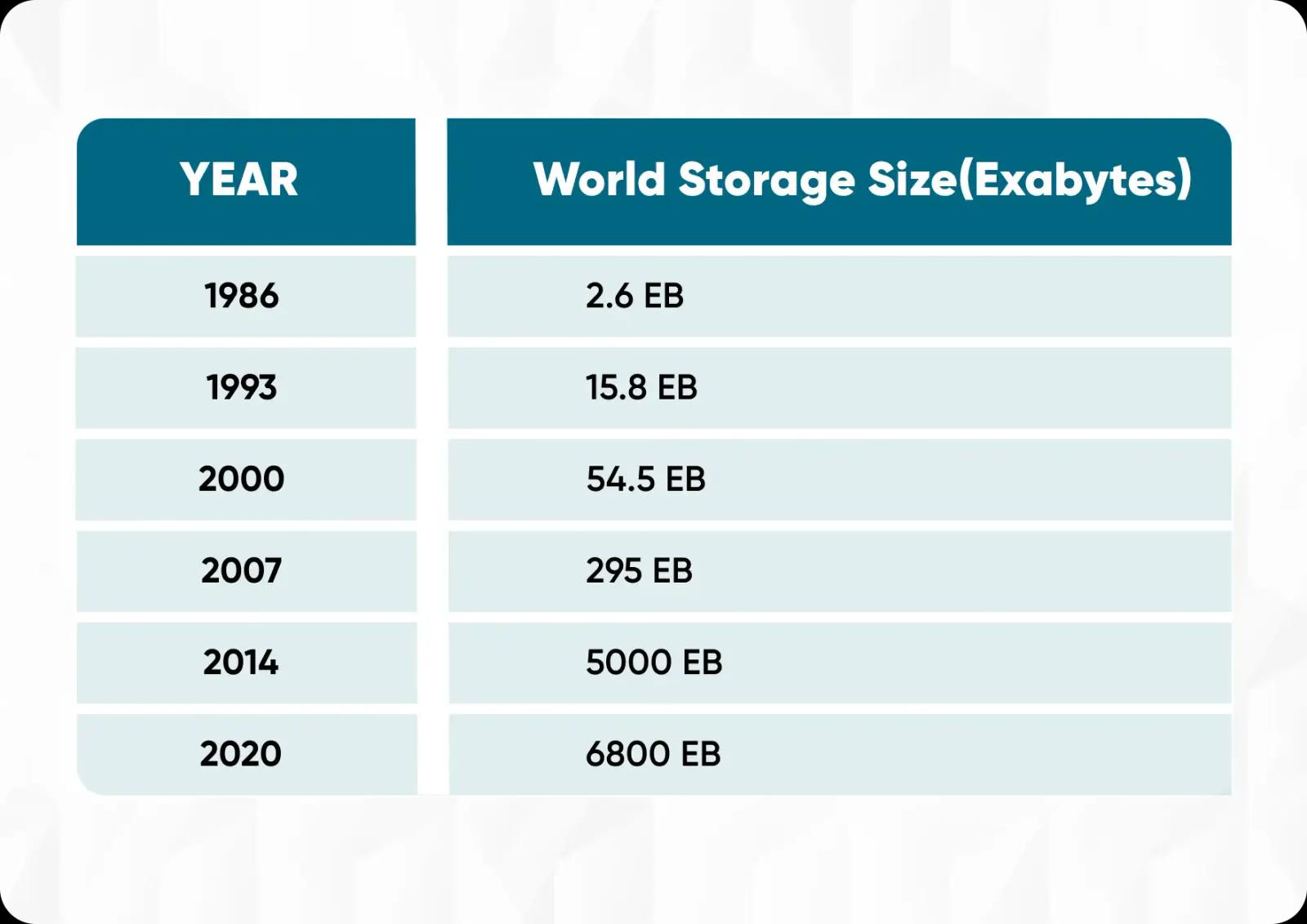
By 2026, business leaders will face unprecedented data scale, domain complexity, and real-time expectations that legacy centralized platforms can no longer absorb. Statista mentions that global data volumes are accelerating, projected to reach 181 zettabytes by the end of 2025, which pressures organizations to seek partnership with the leading data engineering company in USA and adopt modular, composable architectures. Many firms are already rethinking their data and analytics operating models because of AI-driven demands.
Composable Data Mesh answers these challenges by treating domain-owned data products as first-class assets with clear contracts, versioned schemas, and measurable SLAs.
Why Composable Data Mesh Matters in 2026
A self-serve platform layer (ingest, compute, catalog, lineage) plus federated governance enforced as code removes central bottlenecks, shortens time-to-insight, and makes AI initiatives more predictable. For executives, the bottom-line benefits are faster delivery, clearer cost attribution, and reduced operational risk, all without upheaving ownership models across teams.
Start by mapping domain responsibilities, investing in metadata, and adopting interoperable interfaces so your organization can scale data capabilities confidently into 2026 and beyond.
As enterprises move beyond centralized control, the next step is understanding how this architectural shift actually works in practice. That begins with defining what makes a data mesh truly composable, not just decentralized. In the following section, we break down the core concepts and principles that distinguish Composable Data Mesh from earlier data architecture approaches.
What Is a Composable Data Mesh?
A Composable Data Mesh is a decentralized data architecture where domains own and publish data products, while platform capabilities remain modular. Ingestion, storage, processing, governance, and observability operate as interchangeable components. With this, a comprehensive data engineering service provider allows enterprises to scale data workloads, swap tools without disruption, and align architecture with business domains rather than centralized teams.
Guiding Principles of Composable Data Mesh
Composable Data Mesh builds on domain ownership, data-as-a-product, self-serve platforms, and federated governance. What changes is execution: policies, quality rules, lineage, and access controls are applied through automation and metadata. According to Gartner, 75% of organizations will adopt data mesh approaches by 2026 due to scalability limits of centralized platforms.
How Composability Extends Traditional Data Mesh Concepts
Traditional data mesh decentralizes responsibility but often locks organizations into fixed platforms. Composability separates interfaces from tools, using contracts, APIs, and schemas so domains remain stable while platforms evolve. This reduces migration risk, supports hybrid batch and streaming workloads, and improves cost control, key priorities for business leaders managing multi-year data and AI roadmaps.
Evolution From Centralized Data Platforms to Domain-Centric Architectures
Centralized data warehouses and lakehouses were built for reporting consistency, not continuous scale and domain autonomy. As data volumes, sources, and use cases expand, these platforms become bottlenecks due to shared pipelines, rigid schemas, and overburdened central teams. According to IDC, enterprises lose up to 30% of potential value from data because of slow access and ownership gaps.
Domain-centric architectures by the best data engineering company address this by shifting responsibility to business-aligned teams that publish governed data products. Federation replaces control-heavy models with shared standards enforced through metadata, APIs, and automation. It allows leaders to scale analytics, AI, and operations without centralized friction.
Key Building Blocks of a Composable Data Mesh
Domain-Oriented Data Products
Domain-oriented data products align ownership with business functions such as sales, finance, or operations. Each product includes curated datasets, metadata, quality checks, and access rules. Clear contracts define schema versions and SLAs, making data reliable and reusable. For leaders, this model improves accountability, speeds delivery, and reduces dependency on overloaded central data teams.
Self-Serve Data Platform Layer
The self-serve platform provides shared capabilities like ingestion, storage, compute, orchestration, cataloging, and lineage. Domains use standardized pipelines and templates instead of building everything from scratch. This lowers operational overhead, supports consistent practices, and accelerates time-to-value while platform teams focus on reliability, scalability, and cost visibility across workloads.
Federated Governance and Policy-as-Code
Federated governance replaces manual reviews with automated controls. Policies for access, quality, retention, and compliance are defined as code and enforced at runtime. Domains operate independently while meeting enterprise standards. Business leaders gain auditability, reduced risk, and faster approvals without blocking data usage across analytics, reporting, and AI initiatives.
Interoperable Infrastructure Components
Interoperable infrastructure allows tools to be swapped without breaking data products. Standard APIs, open formats, and event interfaces decouple domains from platform implementations. This supports hybrid batch and streaming workloads, avoids long-term lock-in, and enables gradual modernization. Leaders benefit from flexibility, predictable costs, and smoother adoption of new technologies over time.
Data Products as First-Class Architectural Units
Characteristics of a High-Quality Data Product
A high-quality data product is reliable, well-defined, and owned by a specific domain team. It includes validated datasets, clear semantics, freshness metrics, and quality thresholds. Automated tests monitor volume, schema, and accuracy. For business leaders, this reduces reporting disputes, improves trust in analytics, and supports AI use cases without manual intervention.
Contracts, SLAs, and Schema Versioning
Data contracts define how data products can be consumed, including schemas, delivery frequency, and change rules. SLAs specify availability and latency targets, while schema versioning prevents breaking changes. Backward-compatible updates protect downstream systems. This structure allows leaders to scale data usage confidently while minimizing disruptions across dashboards, models, and applications.
Discoverability and Reuse Across Domains
Central catalogs make data products easy to find, understand, and reuse across domains. Metadata, lineage, and usage metrics clarify ownership and fitness for purpose. Access is managed through standardized policies rather than manual approvals. This reduces duplicate pipelines, lowers storage costs, and allows teams to build analytics and AI solutions faster using shared assets.
Composability in Practice: Modular Data Stack Design
Pluggable Ingestion, Transformation, and Orchestration Layers
Composable stacks separate ingestion, transformation, and orchestration so each layer can evolve independently. Streaming tools, batch loaders, and workflow engines plug into standardized interfaces. This design reduces rework when volumes or sources change. Many enterprises hire data engineers to implement these modular patterns to gain faster delivery without rewriting pipelines.
Event-Driven and Batch Interoperability
Modern data stacks must support real-time events and batch processing together. Composability enables streaming data for alerts and AI alongside batch data for reporting and compliance. Shared schemas and contracts keep both modes consistent. For business leaders, this improves responsiveness while controlling cost, one reason Data engineering services in USA increasingly prioritize hybrid architectures.
Open Standards and API-Driven Integration
Open formats, APIs, and metadata standards decouple data products from specific tools. Domains interact through contracts instead of platform dependencies, allowing upgrades without disruption. API-driven integration also simplifies partner and application access. Executives benefit from reduced vendor lock-in, predictable modernization paths, and data platforms that adapt as business priorities shift.
Governance Without Central Bottlenecks
Federated Governance Models
Federated governance distributes decision rights to domains while enforcing shared rules centrally through code. Policies define access, retention, and quality expectations, applied consistently across platforms. A Data engineering company in USA often implements this model to scale analytics safely, reduce approval delays, and keep accountability close to business outcomes without reverting to centralized control across growing enterprises worldwide.
Automated Quality Checks, Lineage, and Access Control
Automation replaces manual reviews by validating data at every stage. Quality rules test freshness, volume, and schema drift, while lineage tracks source to consumption. Access control is enforced through identity and metadata. Executives gain audit readiness, faster delivery, and fewer data incidents as controls run continuously at scale across regulated industries and complex multi-cloud environments globally today.
Balancing Autonomy With Compliance
Composable governance allows teams to move quickly without risking regulatory exposure. Domains choose tools and pipelines, while shared policies enforce privacy, retention, and usage limits. Leaders see reduced risk with sustained speed because compliance is embedded in workflows, not enforced after delivery through slow reviews by design across organizations operating at scale globally today with confidence and clarity now overall.
Enabling Technologies Powering Composable Data Mesh
Cloud-Native Data Platforms
Cloud-native data platforms provide elastic compute, scalable storage, and managed services that adapt to changing workloads. Separation of storage and compute allows domains to scale independently based on demand. For business leaders, this results in better cost control, faster provisioning, and reliable performance for analytics, reporting, and AI workloads across multiple business units.
Streaming Systems and Event Backbones
Streaming systems act as event backbones, capturing real-time changes from applications, devices, and services. They support low-latency processing while coexisting with batch analytics. Shared schemas and contracts keep event data consistent. Executives gain faster operational insights, real-time monitoring, and improved responsiveness without redesigning existing data pipelines or analytical systems.
Metadata Management and Observability Layers
Metadata and observability layers provide visibility into data quality, lineage, usage, and performance. Automated metrics track freshness, volume, and schema changes across domains. Lineage links sources to dashboards and models. This clarity allows leaders to assess data reliability quickly, manage risk, and make informed investment decisions based on measurable data health indicators.
Scaling for Performance, Reliability, and Cost Control
Domain-Level Scaling Strategies
Domain-level scaling allows teams to expand compute and storage only where demand grows. Independent pipelines, isolated workloads, and elastic resources prevent one domain from impacting others. This targeted approach improves performance while controlling spend. Many organizations adopt Data engineering services to design scalable domain architectures aligned with real business usage patterns and growth plans.
Cost Visibility and Chargeback Models
Chargeback models map data usage directly to domains through metering of compute, storage, and data movement. Dashboards show real-time spend by product and team. This transparency drives accountability and better planning. Leaders gain the ability to link data costs to business value, prioritize investments, and reduce waste across complex analytics environments.
Resilience and Fault Isolation
Composable architectures isolate failures at the domain level. Circuit breakers, retries, and independent pipelines limit blast radius when issues occur. Automated alerts identify failures early, protecting downstream consumers. For executives, this means fewer enterprise-wide outages, predictable service levels, and improved trust in data systems that support critical reporting, operations, and AI initiatives.
Common Implementation Challenges and How to Address Them
Organizational Alignment and Ownership Gaps
Organizational alignment often fails when ownership is unclear across domains and platforms. Establish clear domain charters, product owners, and decision rights early. Incentives should reward data product reliability and reuse, not pipeline volume. Many leaders hire data engineers to embed with domains, bridging business context and platform standards while accelerating delivery without central queues and long-term execution stability companywide.
Data Product Maturity Issues
Data product maturity suffers when teams publish raw datasets without contracts, tests, or ownership. Define minimum standards for schemas, freshness, quality checks, and SLAs before release. Versioning policies protect consumers as products evolve. Data engineering services help organizations operationalize these practices, raising trust, reuse, and readiness for analytics and AI across critical domains with measurable outcomes, faster adoption, and lower risk.
Tool Sprawl and Integration Complexity
Tool sprawl emerges as teams adopt overlapping ingestion, orchestration, and analytics tools. Reduce complexity by standardizing interfaces, formats, and contracts rather than forcing single vendors. A shared platform catalog clarifies approved patterns. Partnering with data engineering services streamlines integration, controls cost, and keeps modular stacks interoperable as requirements change across domains, environments, timelines, budgets, teams, and future growth phases smoothly.
Real-World Use Cases and Architecture Patterns
Multi-Domain Analytics at Enterprise Scale
Large enterprises use a composable data mesh to unify analytics across finance, sales, supply chain, and operations without central bottlenecks. Each domain publishes governed data products consumed through shared contracts. Leaders often hire AI architects to design cross-domain analytics that scale reliably, reduce duplication, and support executive dashboards with consistent metrics across regions and business units.
AI and ML-Ready Data Products
AI and ML-ready data products include clean features, versioned schemas, lineage, and freshness guarantees. These products feed training pipelines and real-time inference reliably. An experienced AI ML development company aligns feature stores, data contracts, and governance so models remain stable in production. Business leaders gain faster model rollout, controlled risk, and repeatable AI outcomes.
Supporting Real-Time and Analytical Workloads Together
Composable architectures support streaming and batch workloads using shared standards. Events drive alerts and predictions, while batch pipelines handle reporting and compliance. Unified contracts keep metrics consistent across modes. Leaders benefit from timely insights and historical accuracy. This hybrid approach allows enterprises to scale operational intelligence and analytics together without separate stacks or duplicated effort.
Preparing Your Organization for Composable Data Mesh Adoption
Skills, Operating Model, and Cultural Shifts
Composable Data Mesh adoption requires clear domain ownership, product thinking, and platform accountability. Teams must treat data as a product with measurable outcomes. Many organizations hire AI and data architects to align analytics, AI, and data strategy with business goals. Leaders should promote shared responsibility, faster decision cycles, and accountability tied to data reliability and reuse.
Platform Readiness Checklist
Before rollout, leaders should validate platform readiness using a focused checklist:
- Domain ownership defined
- Standard data contracts
- Metadata catalog
- Lineage tracking
- Automated quality checks
- Access control policies
- Cost metering
- Streaming support
- API standards
Phased Rollout Strategy
A phased rollout reduces risk and builds confidence. Start with high-impact domains, publish a few governed data products, and validate consumption patterns. Expand gradually to more domains and workloads. Platform capabilities mature in parallel. Business leaders benefit from early wins, controlled investment, and measurable outcomes while scaling toward enterprise-wide adoption.
What to Expect Beyond 2026
Autonomous Data Platforms and Policy-Driven Operations
Beyond 2026, data platforms will automate routine operations using metadata, policies, and runtime signals. Pipelines will adjust resource usage, quality thresholds, and access rules automatically based on demand and risk. For business leaders, this reduces operational overhead, stabilizes performance, and allows teams to focus on higher-value analytics and AI initiatives instead of manual platform management.
Data Mesh as a Foundation for AI-Native Systems
Data mesh will serve as the base layer for AI-native systems where models consume trusted, domain-owned data products directly. Consistent contracts, lineage, and freshness metrics make training and inference predictable. Leaders gain scalable AI programs with lower risk, faster iteration, and clearer accountability as data products become the primary interface between business domains and AI systems.
Building a Future-Ready Data Architecture in 2026
Composable Data Mesh aligns data architecture with how enterprises operate and scale. Domain ownership, modular platforms, and automated governance reduce delays and risk. Leaders who hire data engineers with product and platform expertise gain faster execution and clearer accountability. The focus shifts from managing pipelines to delivering reliable data products that support analytics, AI, and core operations.
By 2026, centralized data models cannot keep pace with volume, speed, and AI-driven demand. Composable, domain-centric design supports growth without bottlenecks or costly rewrites. Partnering with a data engineering company enables structured adoption, predictable cost control, and scalable execution. For business leaders, this approach secures long-term data reliability and competitive advantage across analytics and AI initiatives.

Written by
Pratik Kantesiya
AI Engineering Lead
Pratik leads AI engineering at Agile Infoways, where he architects production AI systems for enterprises across healthcare, BFSI, and logistics. He writes about practical AI delivery — what works, what does not, and what most teams miss between proof-of-concept and production.